Get Water Softener Installation
Water softener installation services help property owners eliminate hard water issues by installing systems that prevent mineral buildup and improve water quality.
If you’re considering water softener installation, you’ve come to the right place to explore your options. Property owners in the area often seek professional services to improve water quality, prevent mineral buildup, and extend the lifespan of appliances and plumbing systems. Understanding the benefits of a properly installed water softener can help you make informed decisions as you plan your project and compare local service providers.
Finding experienced contractors who can handle water softener installation ensures the job is done correctly and efficiently. By reviewing local options, property owners can identify trusted service providers, compare their offerings, and select the best fit for their specific needs. Keep reading to learn more about the benefits of water softening and how to connect with qualified local contractors.
- Water Softener Installation - needed when hard water causes mineral buildup and appliance damage.
- Water Softener Replacement - required when existing systems become inefficient or outdated.
- Whole-Home Water Softening - suitable for households experiencing widespread hard water issues.
- Commercial Water Softening - necessary for businesses facing mineral deposits affecting equipment.
- Water Softener Maintenance - important for ensuring optimal performance of installed systems.
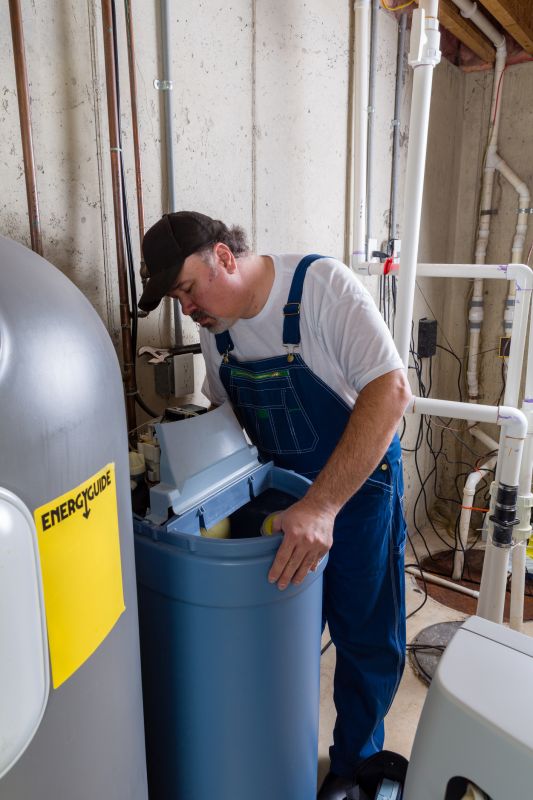
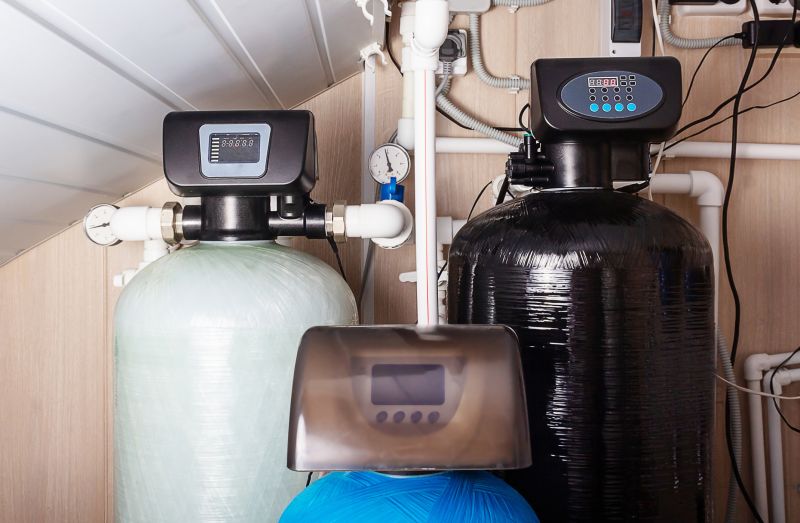
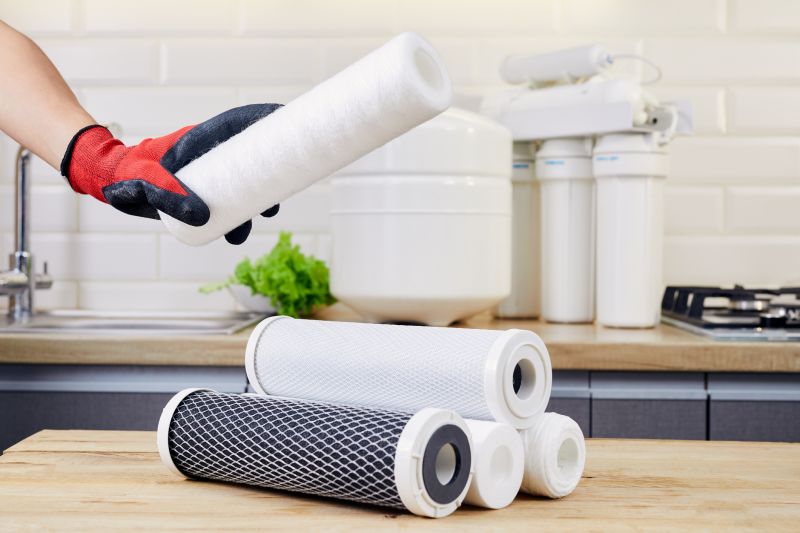
Water softener installation services involve setting up systems that treat hard water to improve its quality for household use. These systems typically consist of a tank filled with resin beads that remove minerals like calcium and magnesium, which cause water hardness. The installation process includes assessing the property’s plumbing, selecting the appropriate water softener model, and properly integrating the system into the existing water supply. Skilled local contractors ensure the system is correctly installed for optimal performance and longevity, helping homeowners enjoy softer water throughout their homes.
Hard water can cause a variety of problems in residential properties. It often leads to mineral buildup in pipes and appliances, reducing their lifespan and efficiency. Homeowners may notice soap scum, spots on dishes and glassware, and a decrease in water pressure. Additionally, hard water can cause skin dryness and irritation, and make laundry feel rough or look dull. Installing a water softener can address these issues by removing the minerals that cause hardness, resulting in cleaner dishes, softer skin, and appliances that operate more efficiently.
Properties that typically benefit from water softener installation include single-family homes, townhouses, and condominiums with private water supplies. Homes with well water are especially common candidates, as well water often contains higher levels of minerals that lead to hardness. Even some city water supplies may have mineral content that makes softening desirable. In general, any residence experiencing frequent mineral deposits, soap scum, or appliance issues related to hard water may find professional installation of a water softener to be a practical solution.
Choosing to work with local service providers ensures that homeowners receive personalized guidance tailored to their specific water quality and property needs. These professionals can evaluate the water hardness levels and recommend the most suitable system type and size. Proper installation by experienced contractors helps prevent issues such as leaks or system failures, ensuring the softening system functions effectively over time. Contacting local pros can make the process straightforward and ensure that the property’s water quality improves, making daily routines more convenient and appliances last longer.
The overview below groups typical Water Softener Installation projects into broad ranges so you can see how smaller, mid-sized, and larger jobs often compare in your area.
In many markets, a large share of routine jobs stays in the lower and middle ranges, while only a smaller percentage of projects moves into the highest bands when the work is more complex or site conditions are harder than average.
Smaller Repairs - Minor water softener repairs or component replacements typically cost between $250 and $600. Many routine repairs fall within this range, though prices can vary based on the specific issue and parts needed.
Full System Replacement - Replacing an entire water softener system generally ranges from $1,500 to $3,500. Larger, more complex installations can sometimes reach $4,000 or more, but most projects fall within the middle of this range.
Installation of New Units - Installing a new water softener system usually costs between $1,200 and $2,500. This includes both the equipment and labor, with many projects landing in this typical range.
High-End or Custom Installations - Custom or high-capacity systems can cost $4,000 to $6,000 or higher, especially for large homes or specialized setups. These projects are less common but represent the upper end of typical costs.
Actual totals will depend on details like access to the work area, the scope of the project, and the materials selected, so use these as general starting points rather than exact figures.
Water Filtration System Installation - this project involves installing filtration units that improve water quality, requiring similar plumbing skills as water softener setups.
Reverse Osmosis System Setup - installing reverse osmosis systems involves precise plumbing and planning, akin to the work needed for water softener installation.
Whole-House Plumbing Repairs - repairing or upgrading plumbing infrastructure shares technical skills with installing water softeners in residential systems.
Water Heater Installation - installing water heaters involves plumbing and electrical connections similar to those used in water softener projects.
Sediment Filter Replacement - replacing or upgrading sediment filters requires understanding of water flow and plumbing, related to softener installation.
Pipe Replacement and Re-piping - rerouting or replacing plumbing pipes involves planning and tools comparable to those used in water softener system installations.
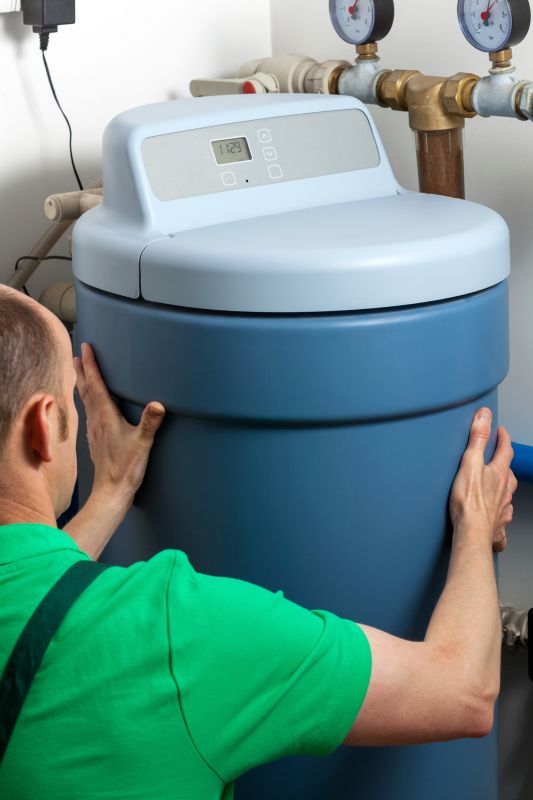
When comparing service providers for water softener installation, it’s important to consider their experience with similar projects. Homeowners should look for local contractors who have a proven track record of handling water softener systems, ensuring they are familiar with the specific requirements and challenges that may arise. An experienced professional can offer insights based on past work, which can help in making an informed decision and reduce the likelihood of issues during installation.
Clear written expectations are essential when evaluating potential service providers. Homeowners should seek contractors who provide detailed estimates and scope of work, outlining what is included and what is not. This transparency helps prevent misunderstandings and ensures that everyone is aligned on the project’s goals. A reputable local contractor will be willing to communicate openly about the process, materials, and any potential adjustments needed along the way.
Good communication and reputable references are key indicators of a reliable service provider. Homeowners can ask for references from previous clients to gain insights into the contractor’s professionalism, punctuality, and quality of work. Additionally, a contractor who maintains clear and prompt communication throughout the process can help ensure the project runs smoothly. By focusing on these qualities, homeowners can connect with local professionals who are well-equipped to handle water softener installation projects effectively.
Property owners use Water Softener Installation services for practical projects around their homes and businesses. This guide focuses on everyday jobs and straightforward project options.
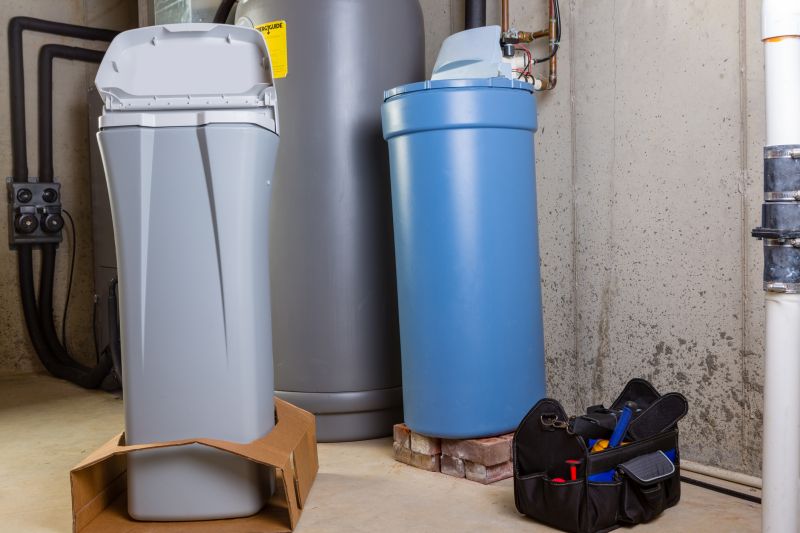
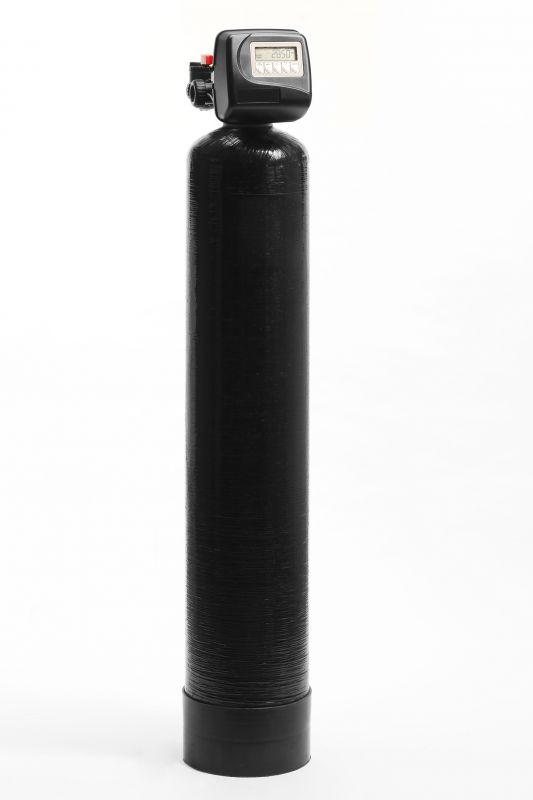
Water softener installation services are often sought after by property owners experiencing issues with hard water, such as mineral buildup on fixtures or soap not lathering properly. Homeowners may also look for these services when upgrading their plumbing systems to improve water quality and protect appliances from scale damage. Local contractors can handle installations in a variety of situations, whether it's a new home needing a softening system or an existing system requiring replacement or upgrades.
Many property owners in the area consider water softener installation to enhance their daily living experience and maintain the longevity of their plumbing. Common reasons include addressing ongoing mineral deposits, preventing damage to appliances, or simply wanting better water for cleaning and bathing. Local service providers are equipped to assess individual needs and provide solutions that fit the specific conditions of each property.
What are the benefits of installing a water softener? Installing a water softener can help reduce mineral buildup in pipes and appliances, improve soap and detergent effectiveness, and provide softer skin and hair.
How do water softeners work? Water softeners typically use a process called ion exchange to remove hard minerals like calcium and magnesium from the water supply.
Who can handle water softener installation? Local contractors experienced in plumbing and water treatment can install water softeners safely and effectively.
What types of water softeners are available? There are various types, including salt-based, salt-free, and dual-tank systems, suitable for different household needs.
Is professional installation necessary for a water softener? While some homeowners may attempt DIY installation, professional service providers ensure proper setup and optimal performance.
Improve Water Quality - Installing a water softener can help reduce mineral buildup, making daily household tasks like washing and cooking more efficient.
Protect Plumbing Systems - A water softener can prevent scale formation in pipes and appliances, extending their lifespan and reducing maintenance needs.
Enhance Laundry Results - Softened water can make clothes feel softer and help detergents work more effectively during laundry routines.
Reduce Soap Scum and Residue - Softening hard water can minimize soap scum on fixtures and surfaces, keeping the home cleaner and easier to maintain.
If you are thinking about Water Softener Installation for a property, this guide is meant to help you understand the work, the typical project types, and how different options might fit your plans.
When you are ready, you can use the quote form on this page to share a few details about your project. From there, local pros can review the basics and respond with options that match what you have in mind.